Freight Dispatch Services for Owner Operators & Small Fleets
Your Truck Should Be Moving. Not Waiting on a Broker.
Pro Freight Dispatch finds better loads, fights for higher rates, and handles every broker call so you drive more and negotiate less. No forced dispatch. No long contracts. Setup in 24 hours.
No Forced dispatch
You approved every load
Owner-Operator
Built for your success
24/7 Support
We’re always here
2500+
Carriers Served
10,000+
Loads Booked
98%
Satisfaction Rate
Since
2017
All Truck Types
Dry van, Reefer & more
4.9
Google Rating
Our Services
Freight Dispatch Services That Keep Your Truck Moving
Our dispatch support covers the daily work that slows carriers down. We help search loads, speak with brokers, check rates, organize documents, and support drivers during the trip.
Load Search
Search DAT, Truckstop, broker portals, and direct contacts. We match loads to your truck type, preferred lanes, home time, and weekly revenue target, not just whatever’s available.
Rate Negotiation
We push back on every rate confirmation. We negotiate RPM, detention terms, layover, and TONU before a single load is booked. Brokers get countered. Every time.
Broker Communication
Calls, setup packets, check calls, appointment changes, delay updates, delivery confirmations. You stop picking up broker calls. We handle them.
Carrier Packet
Setup
MC authority, DOT number, W-9, certificate of insurance, and factoring details. We build your packet and submit it so you get approved faster with more brokers.
Rate Confirmation Review
We read every RC before booking rates, detention terms, commodity, weight, pickup time, delivery window, and special notes. Nothing gets missed.
BOL, POD & Document Support
BOLs, PODs, lumper receipts, detention requests, factoring submissions. Clean paperwork means faster payment and fewer disputes.
After-Hours
Support
Brokers don’t keep business hours. Neither do we. Load changes, tracking requests, and appointment updates are covered around the clock.
Back Office
Support
The full load from first search to final paperwork. Nothing falls through.
Freight Dispatch Support for All
Major Truck Types
Different trucks need different dispatch planning. A dry van load is not the same as a reefer load. A flatbed load needs different checks than a box truck load.
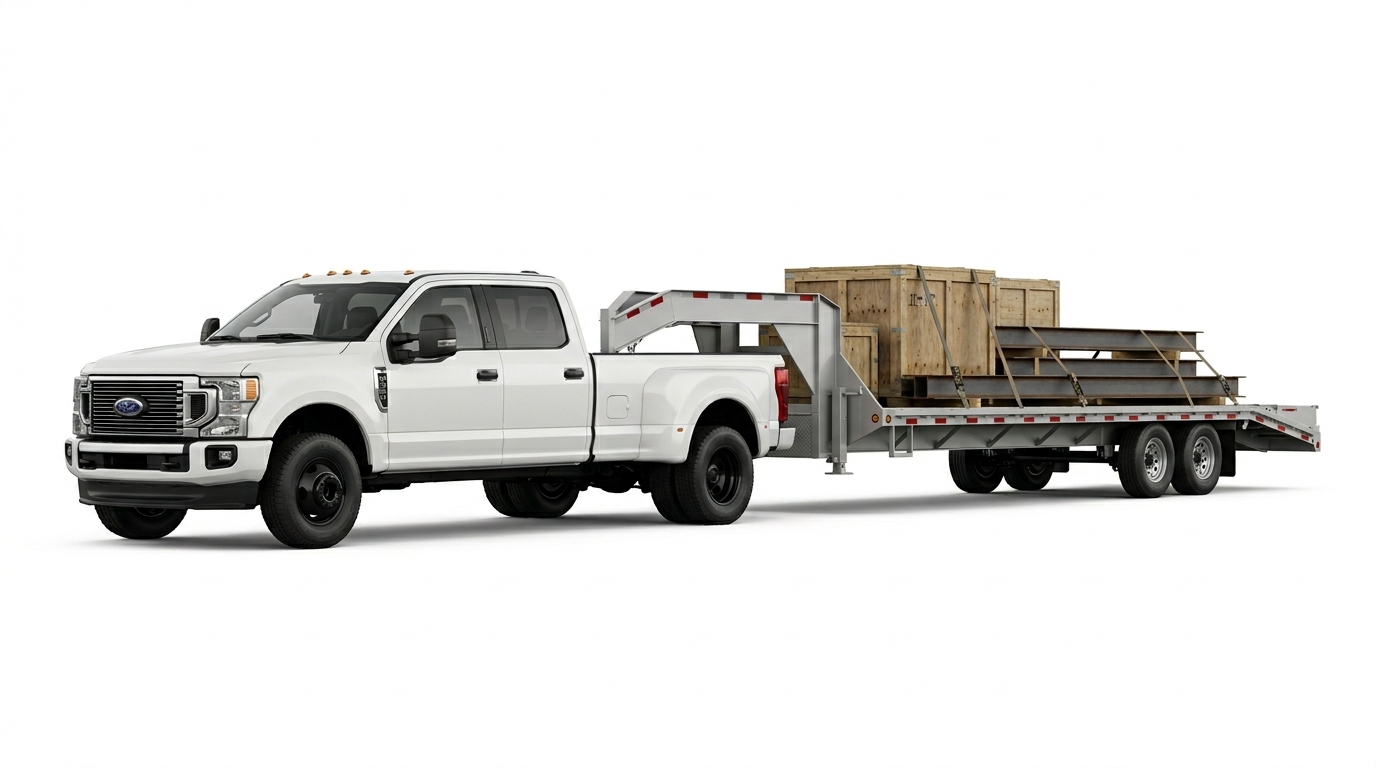
Hotshot Dispatch
Services
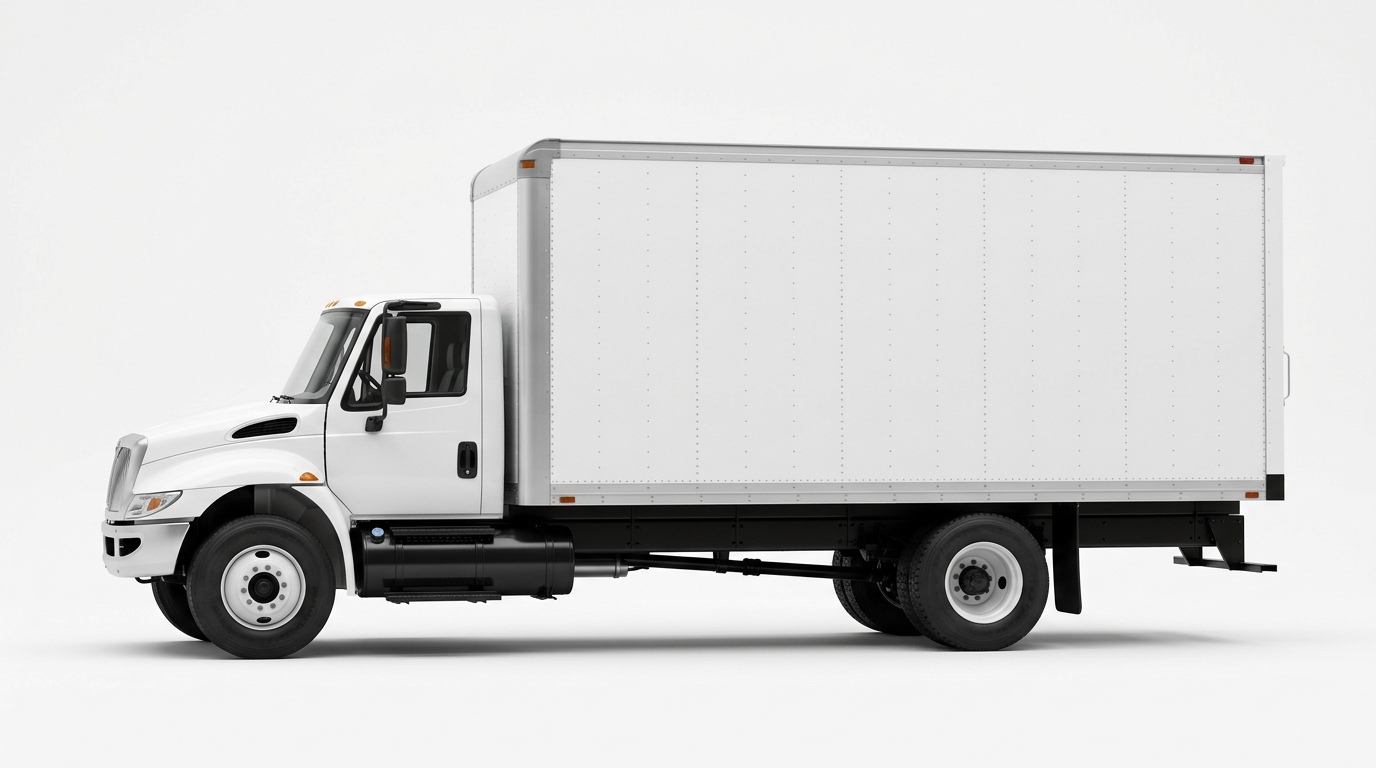
Box Truck Dispatch
Services
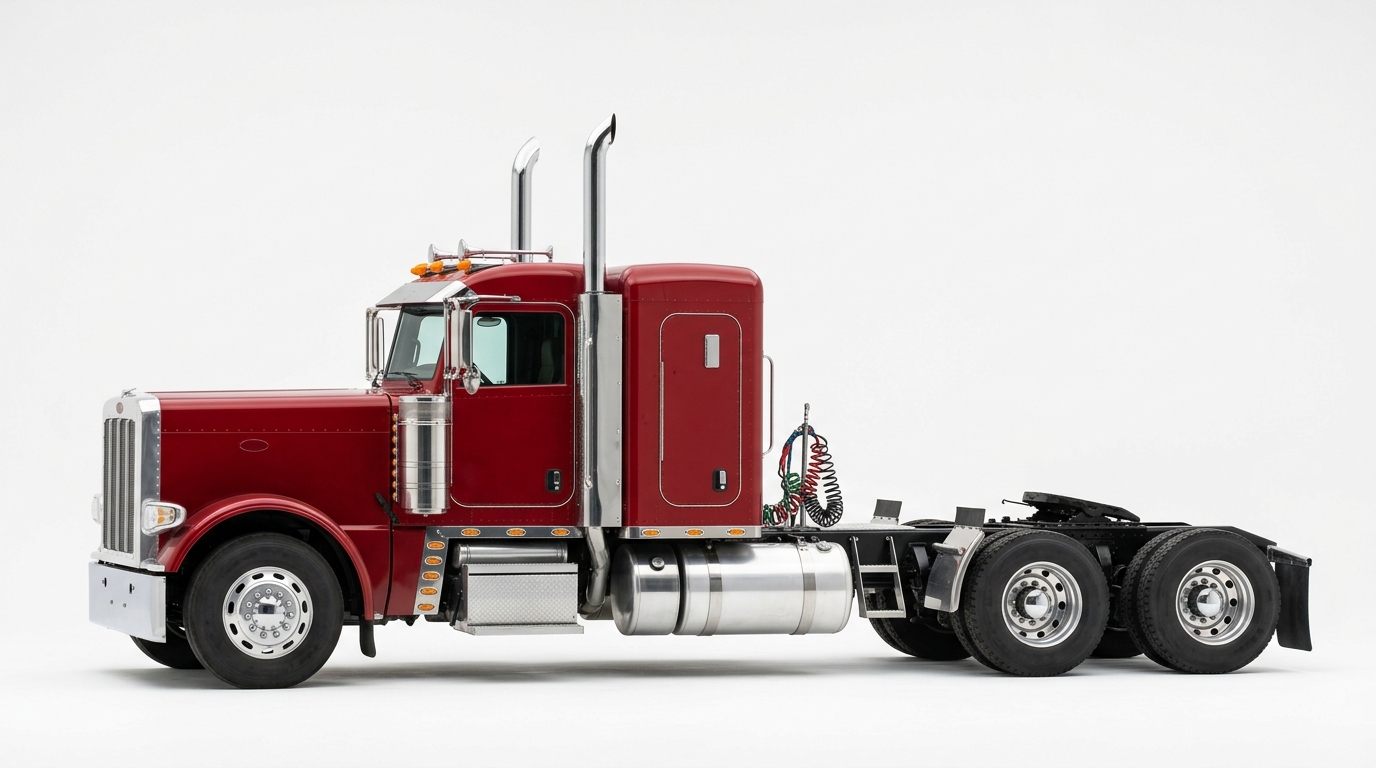
Power-Only Dispatch Services
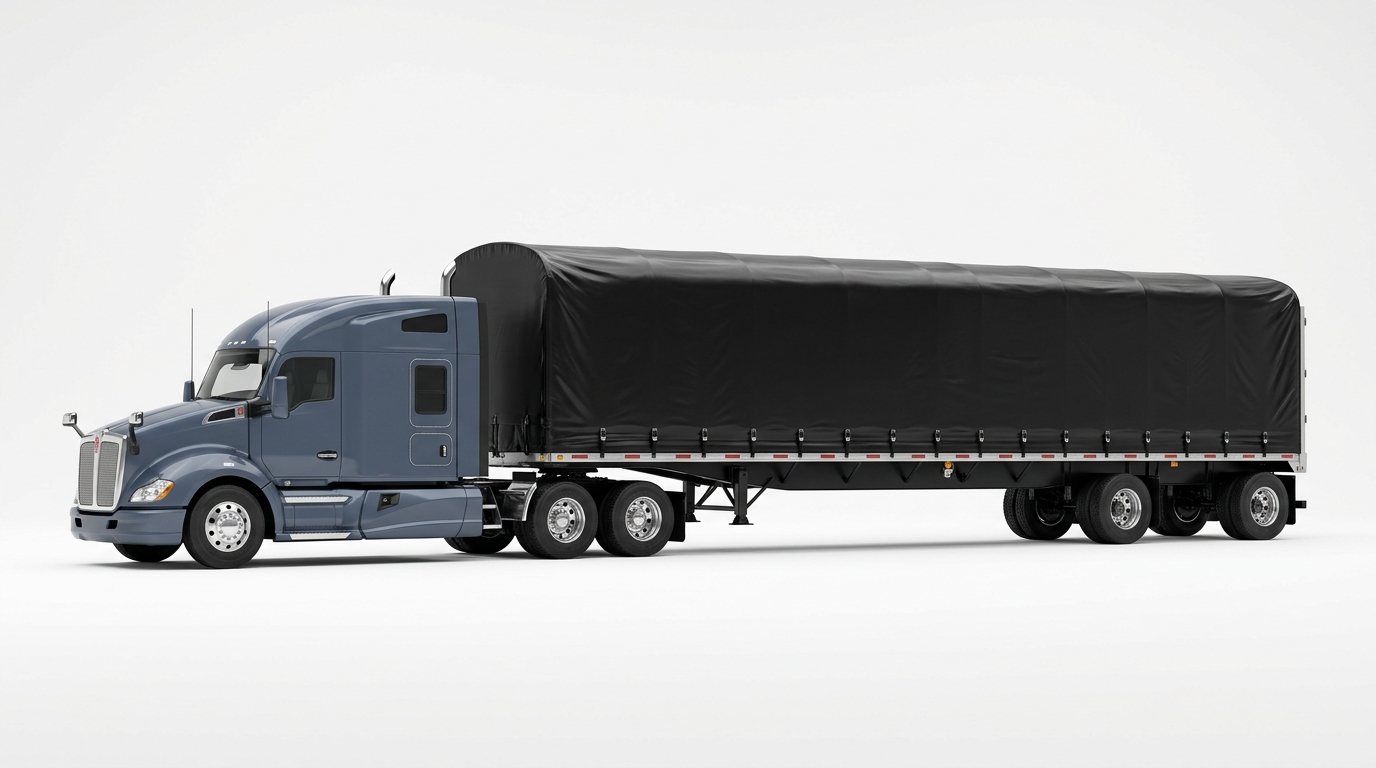
Conestoga Dispatch Services
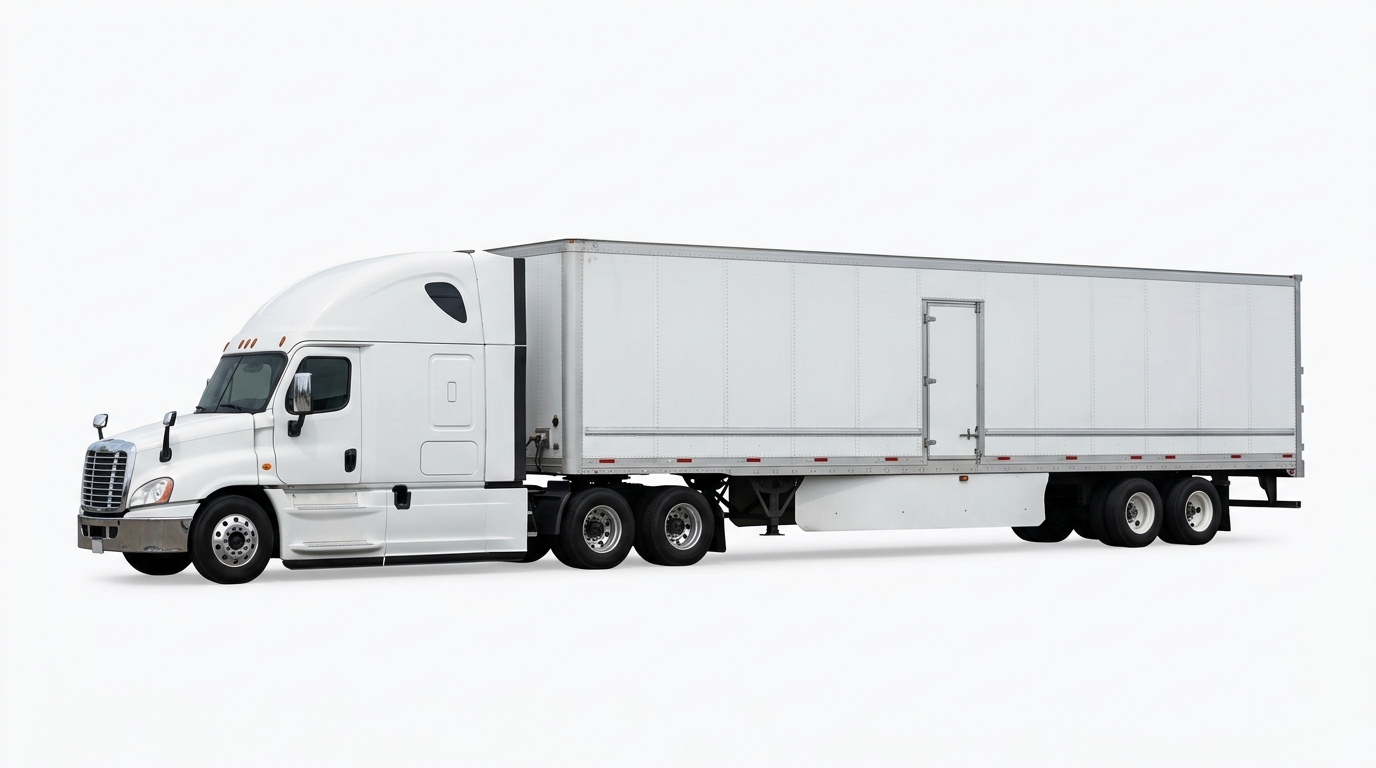
Dry Van Dispatch
Services
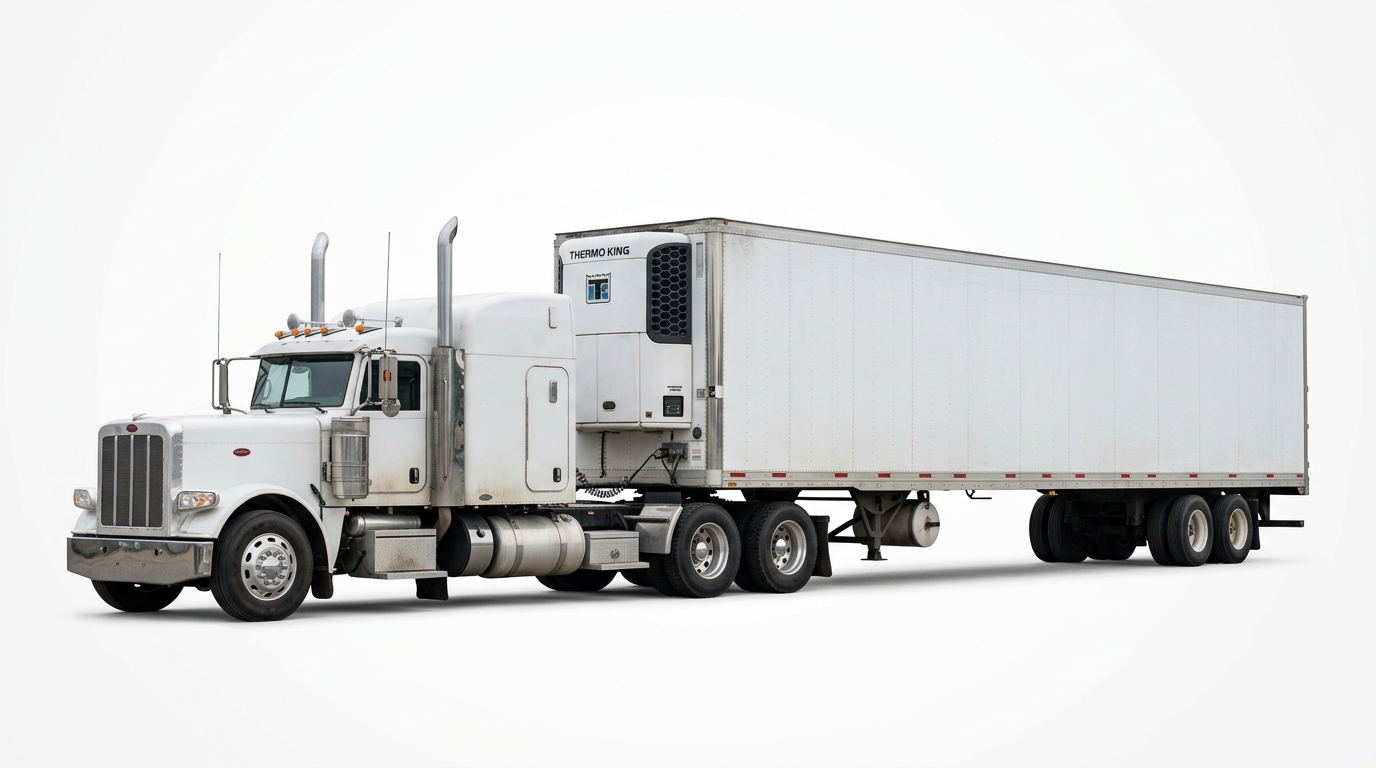
Reefer Dispatch
Services
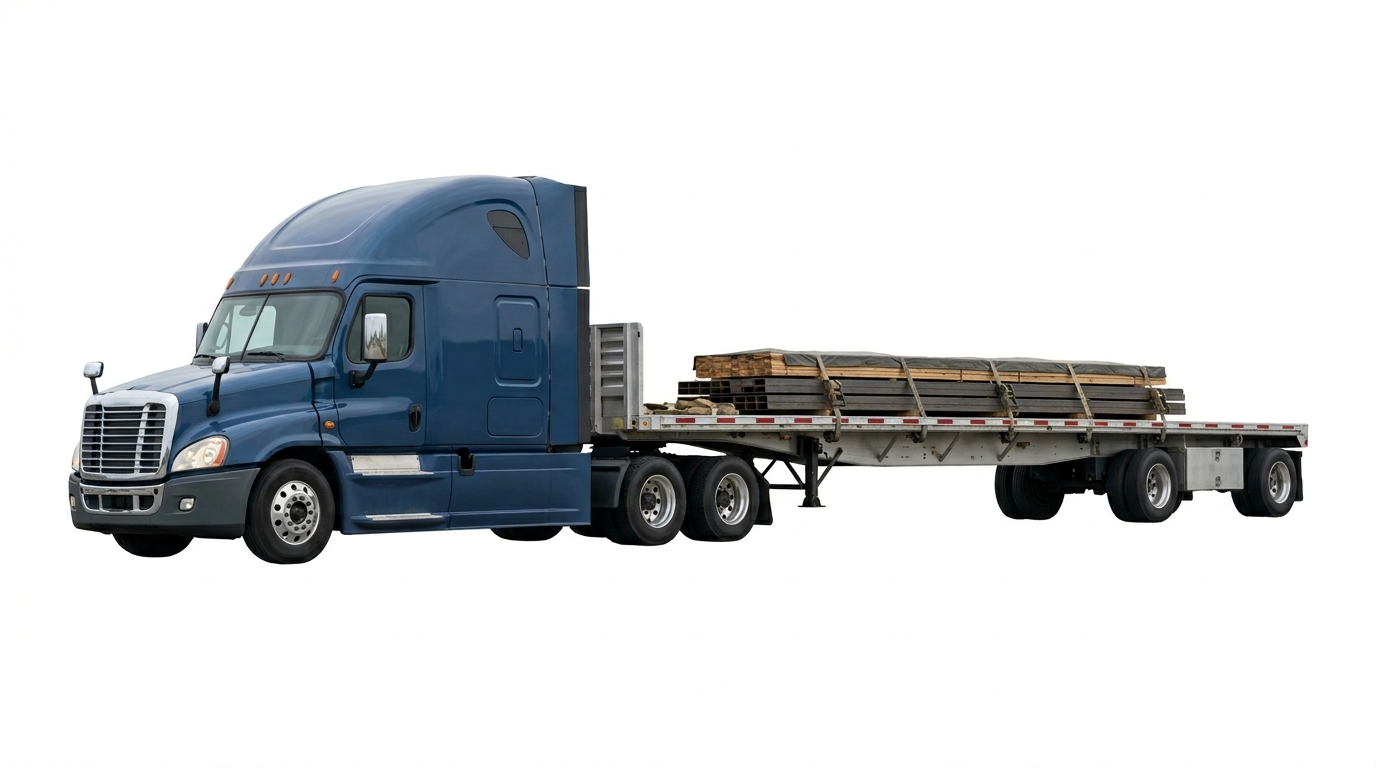
Flatbed Dispatch
Services
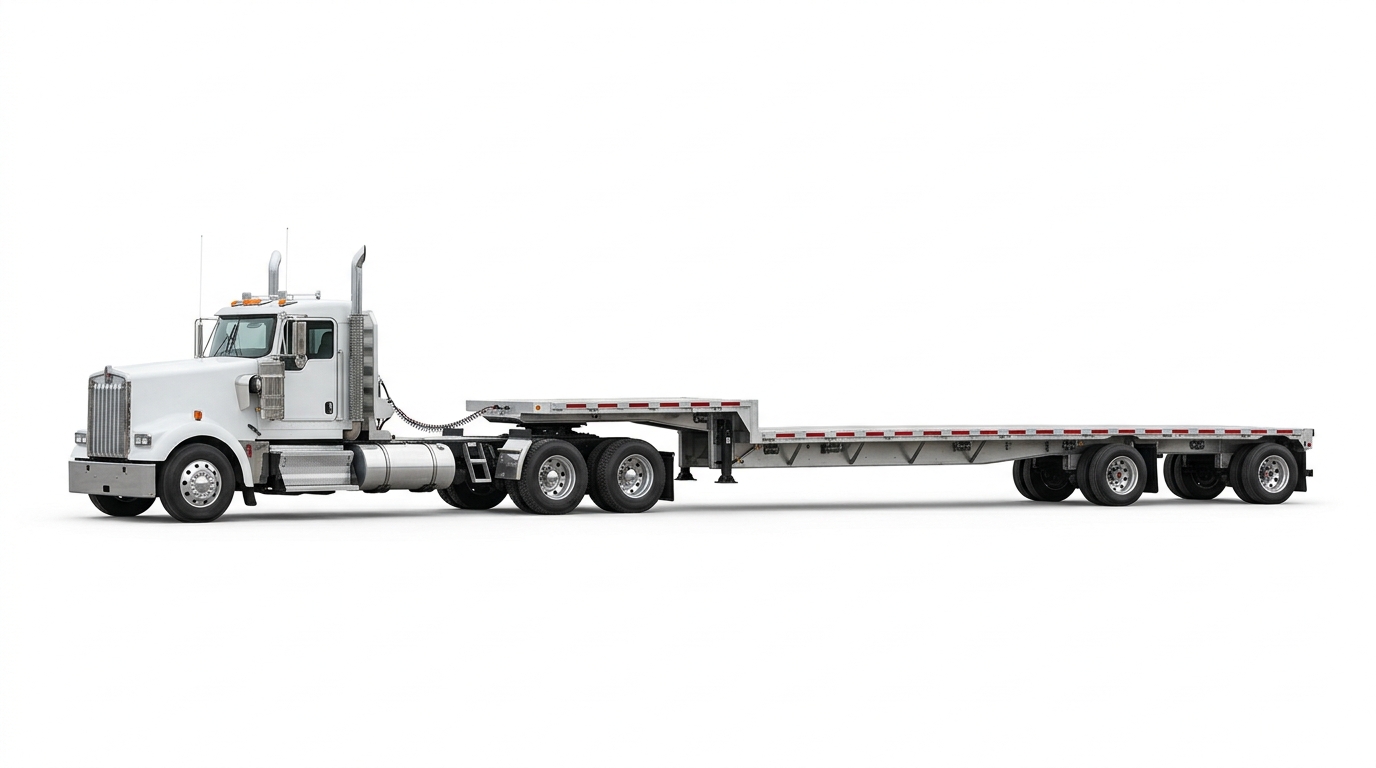
Step Deck
Dispatch Services
We check the truck type before every load search. This helps avoid poor matches, wasted calls, and loads that do not fit your equipment.
How Pro Freight Dispatch Works
1
We learn your operation
Equipment type, preferred lanes, home time requirements, revenue targets, and any broker or load preferences you already have. This isn’t a generic intake form. It shapes every load decision we make.
2
We search and filter loads
We check rate per mile, total miles, deadhead distance, broker reputation, delivery timing, reload options, and market conditions in the delivery area. A load that looks good on the RC can still destroy your week.
3
You approve Every load
Nothing gets booked without your sign-off. No forced dispatch. Ever. If a load doesn’t fit your schedule, your lane, or your rate expectations, we move on and find a better one.
4
Handle everything while you drive
Broker calls, check calls, appointment updates, delays, tracking requests. You focus on the road. We stay on the phone.
5
Paperwork organized.
BOLs, PODs, rate confirmations, detention records, factoring submissions. Clean, complete, submitted on time.
What is truck dispatching, and how does it work for owner-operators?
Truck dispatching means finding loads, checking rates, booking freight, updating brokers, and managing paperwork for a carrier. For owner operators, it saves time and helps the truck stay loaded. A dispatcher works for the carrier, not the shipper.
Truckstop explains that freight dispatchers represent trucking companies, negotiate freight, book loads, and may handle back-office tasks.
What We Check Before Booking Freight
| Check | Why It Protects Your Revenue |
| Rate per mile | A load at $2.20/mile is not the same business as a load at $3.10/mile. We verify RPM against current market rates before accepting. |
| Deadhead miles | Empty miles cost fuel and time without paying anything back. We calculate total trip efficiency—not just loaded miles. |
| Broker credit & payment history | A broker who pays slowly or disputes claims can delay your cash flow by weeks. We check before you’re committed. |
| Delivery timing & appointment window | A tight delivery window with no detention protection is a liability. We confirm terms upfront. |
| Reload market at the destination. | A load that drops you in a dead freight market means sitting idle. We check outbound options before accepting inbound. |
| Commodity and weight | A wrong commodity or overweight load creates compliance risk and can void your insurance claim. Verified every time. |
| Lane quality over time | One good load in a bad lane damages the next two weeks. We plan beyond the single load. |
How We Evaluate a Load Before Booking
Not every load is worth taking. A load may look good on the rate confirmation but still hurt the week after fuel, deadhead, waiting time, and reload issues are added. That is why we look deeper before booking freight.
Our dispatch team checks:
Lane quality
Broker history
Reload opportunities
Appointment timing
Total trip efficiency.
Because strong dispatching is not only about booking freight. It is about protecting revenue over the full week.
Where do dispatchers find loads, and how do you choose what to book?
Dispatchers find loads through load boards, broker contacts, and lane history. We choose loads by checking rate, miles, deadhead, timing, broker reputation, and reload options. The goal is not just one good load. The goal is a better week.
How do you reduce deadhead and improve all miles’ RPM?
We plan beyond pickup and delivery. We check the empty miles; reload the market, the delivery area, and the next lane; and then book. A load with a high rate can still hurt profit if it leaves you stuck in a weak market.
RPM + Deadhead Profitability Calculator
Check the real value of a load before booking. Add rate, miles, fuel, and trip costs to see true RPM and estimated profit.
Estimate only. This does not include insurance, truck payment, maintenance reserve, taxes, factoring fees, or driver pay.
Why Owner Operators Choose Pro Freight Dispatch.
No Forced Dispatch—You stay in control.
Better Load Decisions — We review every detail.
Reduced Deadhead Miles—Smart route planning.
Professional Broker Communication — Protect your reputation.
Paperwork Support—RCs, BOLs, PODs, lumpers, and detention.
24/7 Support—Your truck doesn’t stop, and neither do we.
Why Cheap Freight Hurts Small Carriers
Cheap freight creates long-term problems.
Low-paying loads increase:
- Fuel pressure
- Maintenance strain
- Driver stress
- Cash flow problems
Strong dispatching focuses on:
- Lane quality
- Reload timing
- Total weekly revenue.
Is Every High-Paying Load Actually Profitable?
No. Some loads pay well upfront but create heavy deadhead, weak reloads, long waits, or difficult delivery schedules that reduce overall profit.
Simple Transparent Pricing With No Long-Term Contract
You should know exactly what dispatch costs before you commit to a single load. Here’s how our pricing works.
| Plan | Rate | Best For |
| Percentage per load | 5–8% of gross load revenue | Owner-operators who want flexible cost that scales with revenue |
| Flat fee per load | $50–$150 per load | Drivers on consistent lanes who want predictable cost per load |
| Weekly flat rate | $300–$600/week | Carriers with steady volume who want one fixed weekly number |
| Custom fleet plan | Quoted by truck count | Fleets of 2–10 trucks with mixed equipment and higher volume |
How is dispatch pricing structured?
Dispatch pricing is usually based on a percentage of load revenue, a flat fee, or a weekly plan. The right model depends on truck count, equipment type, and weekly volume. You should always know the fee before service begins.
How am I billed and when?
Billing depends on your plan. Some carriers pay after a load is booked. Others pay weekly. The billing terms should be explained before dispatch starts, so there are no surprises.
Do you require a long-term contract?
No long-term contract should be required for basic dispatch service. Carriers should have a clear agreement, simple terms, and the freedom to stop service if the fit is not right.
What Makes Us Different From Every Other Dispatch Service
No forced dispatch is verified in your agreement
Every competitor says this. We put it in writing. Every load requires your explicit approval before it’s booked. No exceptions, no pressure, no, just take this one.
We negotiate, not just book
Load boards find freight. Dispatchers fight for the rate. We counter every broker, push for detention terms before the load moves, and track TONU when a shipper wastes your time. Booking loads without negotiating them is not dispatch; it’s order-taking.
Dedicated dispatcher, not a rotating team
Your dispatcher knows your lanes, your preferences, your truck, and your revenue targets. You’re not explaining yourself to a new person every week.
Carrier documents reviewed, not just filed
We read every rate confirmation before it gets booked. Commodity, weight, detention terms, delivery window, special instructions. Most disputes start with details nobody checked.
Active since 2017. 2,500+ carriers. 10,000+ load
Not a startup. Not an algorithm. A team that’s been negotiating freight since before half our competitors existed.
What Changes When a Carrier Stops Self-Dispatching
Representative example based on typical carrier results.
Marcus ran a dry van out of Texas. Fourteen months in, he was moving freight consistently but earning less than his truck was capable of. His average RPM sat at $2.65. Deadhead was running 18% of total miles. He was spending 3–4 hours a day managing brokers, load boards, and paperwork — time that wasn’t putting a dollar in his pocket.
Two things changed in the first 30 days.
His dispatcher identified one recurring lane where Marcus was accepting $2.40/mile and landing 220 empty miles from any strong reload. A route adjustment added $0.30/mile and cut the deadhead by 80 miles. Over four weeks: approximately $600 recovered.
His dispatcher began countering every broker he’d worked with for months without ever pushing back. Three brokers. Average improvement per load: $180–$220.
45-day results:
| Metric | Before | After 45 Days |
| Average RPM | $2.65 | $3.10 |
| Deadhead % | 18% | 11% |
| Weekly gross (est.) | ~$3,800 | ~$5,100 |
| Hours/day on dispatch | 3–4 hrs | ~30 min |
| Detention & TONU collected | Rarely claimed | $480 |
Five Load Decisions That Cost Carriers Money Every Week
Accepting a load without checking deadhead
A load at $3.00/mile sounds strong. If it requires 180 empty miles to reach pickup and drops you in a market with no outbound freight you’ve turned a strong load into a break-even week. Always calculate total trip efficiency before accepting.
Skipping broker credit checks
A broker who pays slow costs you cash flow. A broker who disputes claims costs you time, money, and your factoring relationship. We check broker payment history before every booking.
Booking without confirming detention terms
If a shipper holds your truck for four hours and there’s no detention clause in the rate confirmation, you absorb that cost. We confirm detention terms before the load is accepted, not after.
Taking a load outside your lane plan
One load can pull your truck into a market with weak outbound freight for the next two or three loads. A single high-paying load that lands you in the wrong city can cost more than the extra rate was worth.
Not tracking
TONU
If a shipper cancels after you’ve committed, you’re owed Truck Order Not Used compensation. Most carriers never claim it. We do.
Nationwide Freight Dispatch Across Major U.S. Lanes
We support carriers across major U.S. freight markets. Our dispatch planning focuses on strong freight corridors, reload options, and home time needs.

| Region | Common Freight Focus |
|---|---|
| Texas | Dry van, reefer, flatbed, oilfield support |
| Illinois | Midwest freight, Chicago market, cross-country lanes |
| Georgia | Southeast freight, Atlanta lanes, regional loads |
| California | West Coast freight and long-haul lanes |
| Florida | Reefer, consumer goods, and Southeast planning |
| Ohio | Midwest reloads and distribution freight |
| Pennsylvania | Northeast access and regional freight |
| Tennessee | Central freight lanes and distribution routes |
Frequently Asked Questions About Freight Dispatch Services
Your Truck Doesn’t Sit. Neither Do We
Pro Freight Dispatch handles load search, rate negotiation, broker communication, and paperwork for owner-operators and small fleets across the U.S. You drive. We handle everything else.
No forced dispatch. No long-term contracts. Most carriers are active within 24 hours.